

An imperfect biohacker
Why not everything needs to be extreme

Last week was my birthday. I took the day off, cooked something special, and spent a quiet afternoon with the people I love. Birthdays have a way of making me think about all the things we believe we need to do to live longer and better. I do think about that a lot anyway, since I spend so much time writing about it here. What changes is that I also start thinking about the extremes this whole conversation can sometimes reach.
On social media, there’s always someone waking up at 4:30 a.m., taking ice-cold showers, and following a twenty-step morning ritual with the energy of someone who has never met a snooze button. Everything documented in meticulous detail. I sometimes wonder whether that’s an honest picture of their life or just a very well-curated version of it.
I’ve been biohacking since 2009. But I’ve never been very good at following the manual.
I run a lot of tests and participate in studies regularly, because I genuinely want to learn more about my own body and contribute something useful to science. Blood tests, biological age, NAD, DNA, metabolomics, and others.
I also have a collection of gadgets that I use far less than I thought I would. The only one I’ve stayed loyal to for eight years is my Oura Ring. And when tests and devices come with recommendations, I follow the ones that make sense to me and quietly ignore the rest. No guilt involved.
When I run those tests, I do them with or without supplements, special routines, or special foods as if I’m testing the tests themselves. And, oddly enough, the results usually come back looking pretty good.
I don’t wake up before 6 a.m. I take cold showers only in the summer, and ice baths happen maybe a handful of times a year. I went from March to May without taking a single supplement. June through September, I’ll be taking quite a few, because I have a round of tests lined up. I’ll spend a few weeks on a specific exercise program and then several weeks doing nothing but daily walks, which is where my sweet Chico comes in.
I don’t eat things I don’t like just because someone called them a superfood. And I don’t skip restaurants out of fear that I won’t be able to resist the breadbasket, because I definitely won’t, or because the kitchen might be (re)using a slightly suspicious frying oil.
I’m an imperfect biohacker. And that’s fine.
I admire people who can stick to rigorous protocols and routines. I just don’t envy them or measure myself against them.
I’ve watched people spend small fortunes on protocols, tracking every hour of sleep, every glucose spike, every minute in zone 2, trying to negotiate with aging as though the body were a well-behaved spreadsheet. At the same time, I know people who are far less obsessive and consistently show excellent results on biological tests. That contrast has always caught my attention.
If you stress yourself out every time you sleep badly or a test comes back with an unexpected number, whatever benefit you got from that one-hour meditation you learned from the famous ex-monk is probably gone.
Bryan Johnson tracks his sleep, his movement, and everything he eats and drinks. He goes to bed at 8:30 p.m., wakes up at 5 a.m., and has his last meal at 11 a.m.¹ He eats only what his tests and his team tell him he can eat. And that rarely includes a slice of birthday cake with family, a backyard barbecue with friends, or a dinner out followed by a movie.
He made that choice deliberately and with full documentation. But what stays off his spreadsheet, and off the spreadsheets of others who follow that path, is what most people call life.
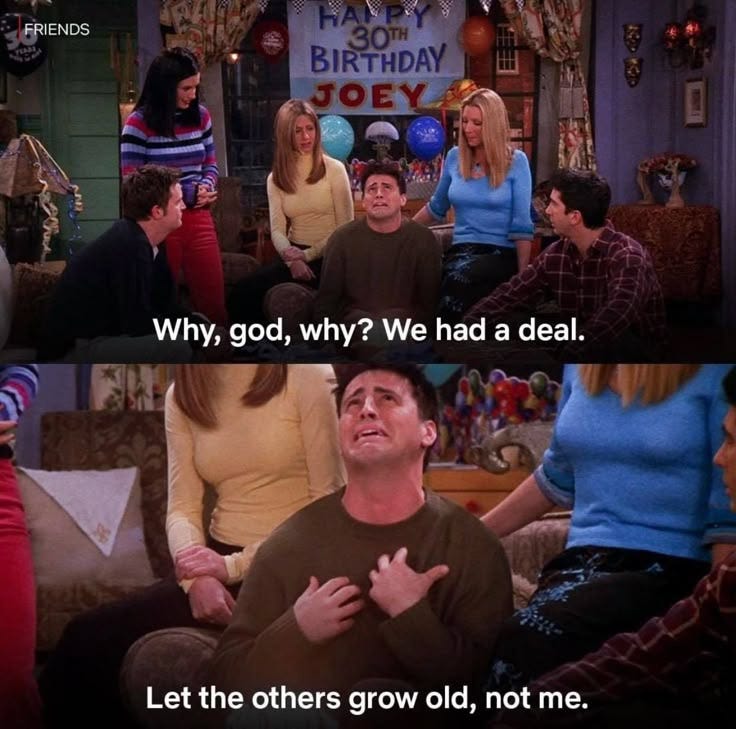
What’s the point of living to 120, even in good health, if the social connection is gone? If the spontaneity of doing what you feel like, even when it’s not the healthiest choice, has been optimized away?
The idea that has stayed with me over the years is this: if you get roughly 70% of it right most of the time, the other 30% is yours to spend however you want.
Eating something delicious without ceremony. Staying up too late because the party was worth it. Going days without exercising. Not treating everything on the menu as a potential threat. And never feeling guilty about any of it.
In my experience, that approach is far more sustainable than any rigid protocol. Supplements, gadgets, and tests can help. But the biggest drivers I’ve found for longevity aren’t in any of those things. It's cultivating real relationships, genuinely liking your own life without waiting for it to be perfect, and arriving at each new birthday with the feeling that it was worth it.
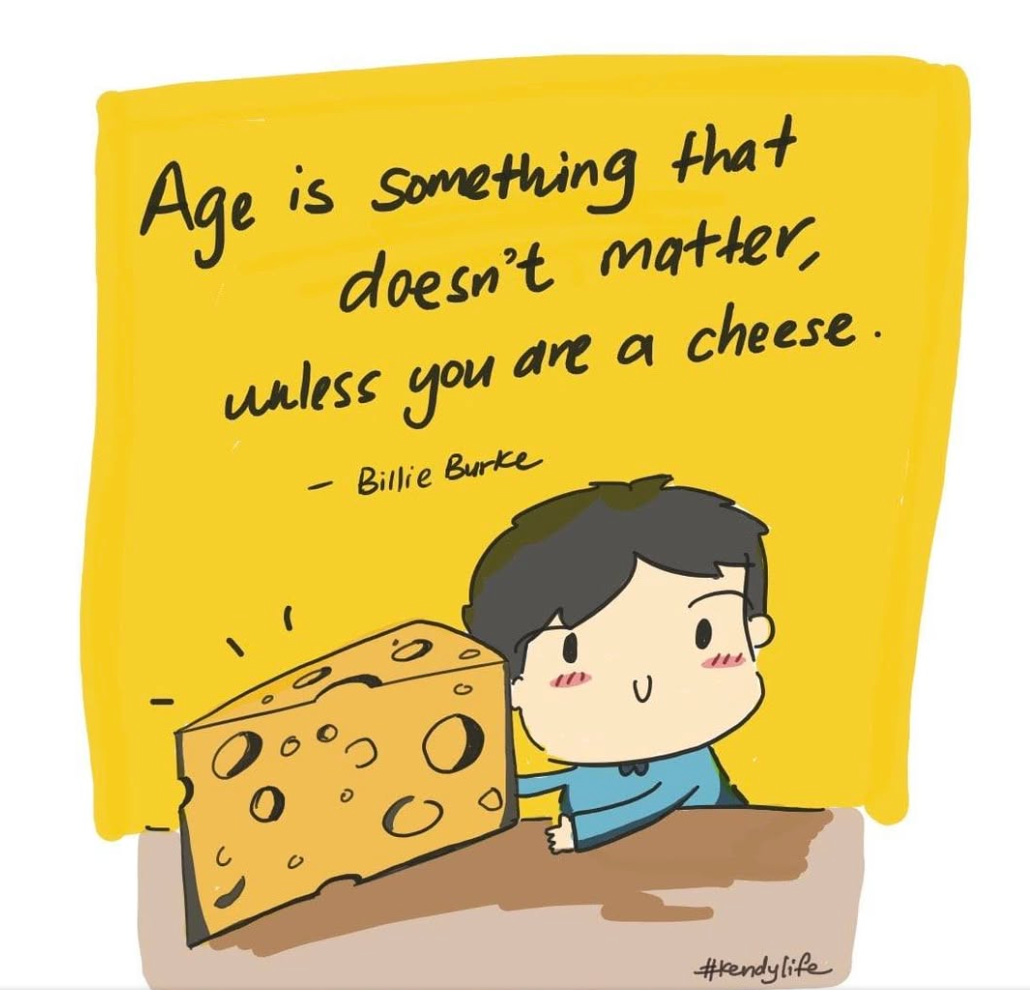
My grandparents and parents didn’t make it to ninety. They lived between 77 and 88, which suggests that exceptional longevity isn’t exactly the defining trait of my family tree. So I’m betting it will be my choices, repeated imperfectly over time, that get me as far as I can go, healthy and happy.
On May 24th, I turned 58. Back in March, my TruAge test from TruDiagnostic showed a biological age of 39. I age at a rate of 0.78 per year, which in practice means my body ages biologically only about nine and a half months for every twelve months on the calendar.
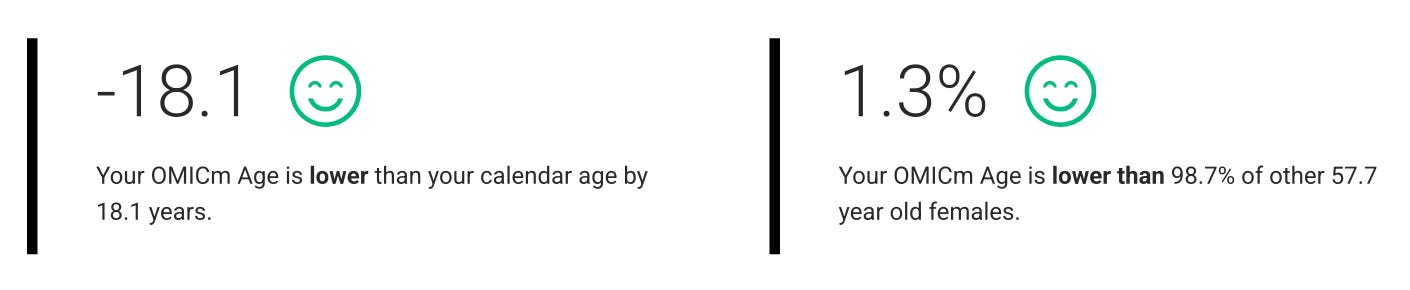
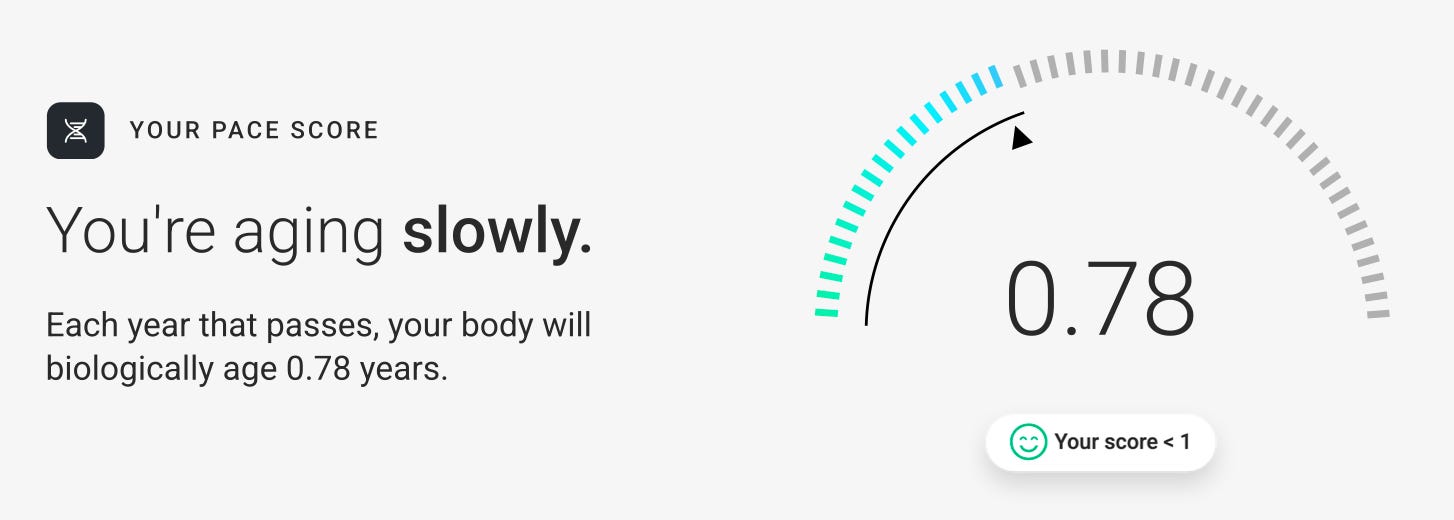
I have a feeling that a good part of that is because I never felt obligated to be perfect.
If you enjoy this article, consider becoming a supporter on Buy Me a Coffee.
¹ Click here if you want to know more about Bryan's protocols.
Such a balanced view point.. I tend to agree, I saw myself in a lot of what was written. I'm health aware, natural healing and prevention methods with no pharma. Pretty healthy whole food diet i follow the 90/10 rule.. life should be lived. Food is such a great pleasure in life. I always make a point of never feeling guilty or regretting my choices when i have a glass of vino or a slice of cake.. great article.
Great article! Thanks for sharing your perspectives through personal experience. Happy belated birthday! Cheers on your remarkably slow aging! We share the same view, esp. on Health. Health is not about perfection, rather the consistency and sustainability.